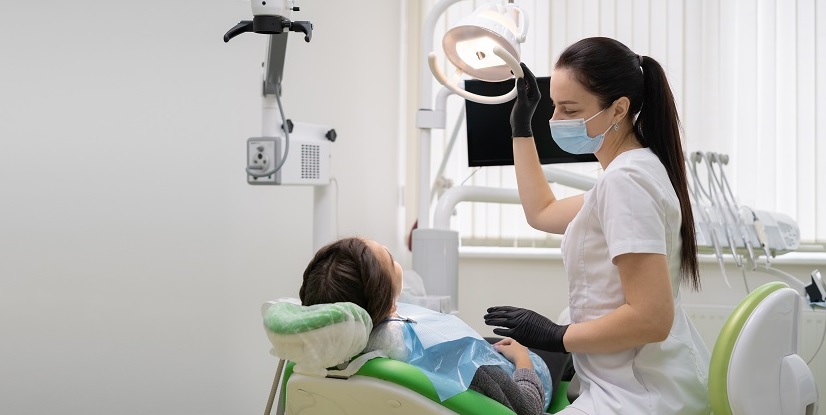
When most people think about dentistry, they picture cleanings, fillings, or maybe braces. However, modern dental care includes a wide range of specialties that go far beyond routine checkups. These lesser-known branches of dentistry focus on comfort, convenience, complex conditions, and advanced techniques. Understanding these specialties can help patients make more informed decisions about their oral health.
Some of these services are designed for unique medical needs, while others aim to reduce anxiety or save time. As dental technology continues to evolve, so do the options available to patients. Let’s explore several rare and often overlooked dental specialties that deserve more attention.
Oral and Maxillofacial Pathology
Oral and maxillofacial pathology focuses on diagnosing diseases that affect the mouth, jaw, and surrounding structures. Specialists in this field examine tissue samples and investigate abnormalities such as cysts, tumors, and unusual lesions. Their work plays a critical role in detecting oral cancer and other serious conditions early.
Many patients may never meet these professionals directly, yet their expertise can be life-changing. They often collaborate closely with general dentists and surgeons to ensure accurate diagnoses. This specialty combines dentistry with elements of medicine and laboratory science. It highlights how dental care can be essential to overall health, not just your smile.
Dental Anesthesiology
Dental anesthesiology is a specialty dedicated to pain management and patient comfort during procedures. These professionals are trained to administer various forms of anesthesia safely and effectively. They work with patients who require complex surgeries or who have medical conditions that demand extra precautions. This field is especially helpful for individuals with severe dental anxiety or special healthcare needs.
By carefully monitoring vital signs and sedation levels, dental anesthesiologists help ensure a safe experience. Their advanced training goes beyond what most general dentists receive in pain control. As a result, they make it possible for many patients to receive treatment they might otherwise avoid.
Same-Day Dentistry
Same-day dentistry is designed for patients who need fast and efficient treatment without multiple appointments. Using advanced imaging and in-office fabrication technology, dentists can create crowns, veneers, and other restorations in just one visit. This approach reduces the inconvenience of temporary restorations and repeat trips to the clinic. It is particularly helpful for busy individuals balancing work and family responsibilities.
Some practices, such as Ocala Dental Care, incorporate advanced tools that allow for precise and streamlined procedures, including panoramic x-rays. While the technology is impressive, the goal remains patient-centered convenience and quality care. Same-day dentistry reflects how innovation can make dental treatment more accessible and time-efficient.
Sedation Dentistry
Sedation dentistry focuses on helping patients feel calm and relaxed during dental procedures. It can involve oral medication, nitrous oxide, or intravenous sedation depending on the patient’s needs. This specialty is especially beneficial for those with dental anxiety, sensitive gag reflexes, or difficulty sitting still for extended periods. By reducing stress, sedation allows dentists to perform treatments more efficiently and comfortably.
Some clinics, including Mill Creek Dental, offer sedation options as part of comprehensive care plans. The emphasis is not on avoiding treatment but on making the experience manageable and positive. Sedation dentistry helps transform fear-based appointments into supportive and reassuring visits.
Orofacial Pain Dentistry
Orofacial pain dentistry addresses chronic pain conditions affecting the face, mouth, and jaw. This specialty often deals with temporomandibular joint disorders, nerve pain, and unexplained facial discomfort. Patients who struggle with persistent headaches or jaw tension may benefit from this focused expertise. Specialists conduct detailed evaluations to determine whether the pain is dental, muscular, or nerve-related. Treatment plans may include bite adjustments, physical therapy recommendations, or oral appliances.
Because facial pain can have multiple causes, this field requires careful diagnosis and collaboration with other healthcare providers. It demonstrates how dentistry intersects with broader pain management and quality-of-life concerns.
Geriatric Dentistry
Geriatric dentistry focuses on the special oral health requirements of older people. As people age, they may face challenges such as dry mouth, gum disease, and tooth loss. Medications and medical conditions can also significantly affect oral health.
Dentists in this specialty understand how to adapt treatment plans to accommodate mobility issues or cognitive changes. They often work closely with caregivers and medical professionals to ensure comprehensive care. Preventive strategies are especially important in maintaining comfort and function for aging patients. This field underscores the importance of personalized dental care at every stage of life.
Final Thoughts
Exploring these rare and overlooked dental specialties reveals how diverse and dynamic the profession truly is. Dentistry is not limited to routine cleanings and fillings but instead encompasses advanced science, technology, and compassionate care. From pain management to rapid restorations and age-specific treatment, each specialty serves a unique purpose.
Learning about these options empowers patients to seek care that fits their specific needs. As awareness grows, more people can take advantage of these innovative approaches. Ultimately, dental care beyond the basics is about improving comfort, health, and confidence. And understanding these specialties is the first step toward a more informed smile.


Leave a Reply