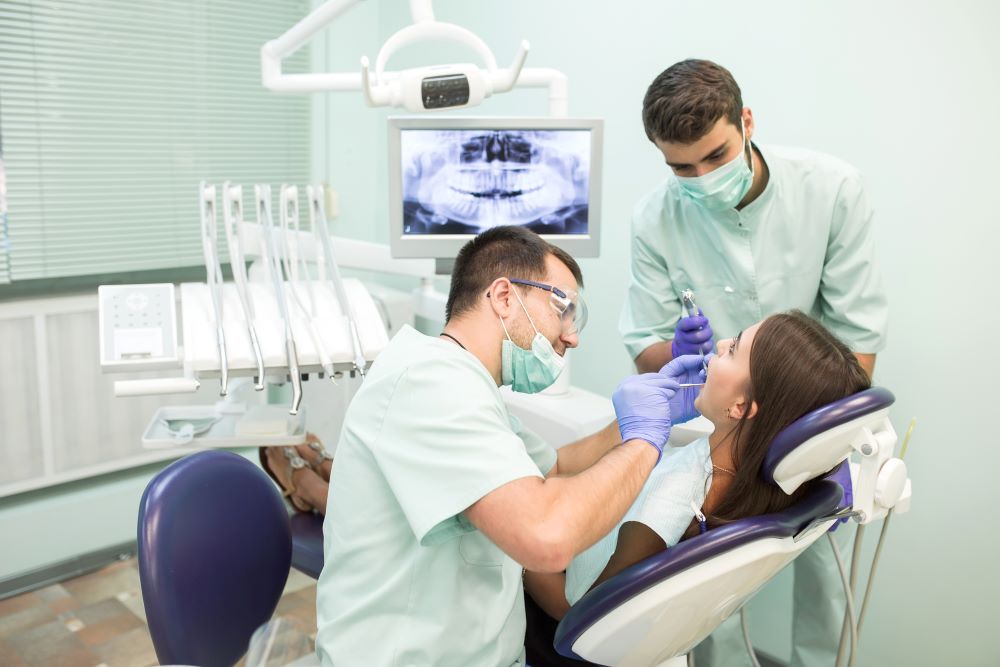
Dental emergencies can strike unexpectedly—during meals, sports, or even while sleeping. Whether it’s a chipped tooth, knocked-out molar, or sudden jaw pain, knowing how to respond can make a big difference in your outcome. Many people panic in these situations, but staying calm and taking the right steps helps preserve your dental health.
In this blog, we’ll guide you through common dental emergencies, what to do in the moment, and where to seek urgent care. Having a go-to dental provider and being prepared in advance can save you time, pain, and potential complications. Let’s explore how to handle dental issues when every second counts.
What are the Common Types of Dental Emergencies
Dental emergencies come in many forms, and each requires a different approach. A broken or cracked tooth often happens due to a fall, bite on a hard object, or sports injury. A knocked-out tooth is more urgent and time-sensitive—if you act quickly, it might be saved and reimplanted.
Severe toothaches, especially those that come on suddenly or are accompanied by swelling, may indicate infections or abscesses. Lost fillings or crowns can also be painful and compromise the structure of the tooth. Gum injuries, bleeding that doesn’t stop, and jaw pain from trauma are also considered emergencies. Understanding these situations helps you decide when to take action and not delay professional care.
What are the First Aid Steps Before You Reach the Dentist
Taking quick action before reaching a dental clinic can help reduce damage and ease discomfort. If you’ve chipped a tooth, try rinsing your mouth with warm water and applying a cold compress to lessen the swelling. For a knocked-out tooth, try holding it by the crown (not the root), rinse it gently, and try to place it back in its socket or in milk to preserve it.
If you’re experiencing a toothache, floss to make sure there’s no trapped debris and take over-the-counter pain relief if needed. Prevent the placement of aspirin directly on the gums, as this can cause further irritation. For a lost crown or filling, sugar-free gum can serve as a temporary cover. Always try to see a dentist as soon as possible, even if the pain seems to fade.
When to Seek Emergency Dental Care Immediately
Certain symptoms should never be ignored, as delaying treatment can lead to more serious problems. Intense and persistent pain that doesn’t improve with medication can signal an underlying infection or abscess. Swelling around the face or jaw, especially if accompanied by fever, may indicate a spreading infection that needs urgent attention.
Heavy bleeding from the gums or mouth, especially after trauma, also warrants immediate care. A tooth that has been knocked out or dislodged should be addressed within 30–60 minutes for the best chance of saving it. Any visible signs of infection, like pus, need evaluation right away. Difficulty swallowing or breathing can mean the infection is spreading—this is a medical emergency. Always trust your instincts; if it feels serious, it probably is.
Where to Go for Emergency Dental Services
Not all dental offices are equipped for emergencies, so it’s important to know where to go. Many dental clinics offer same-day or after-hours services specifically for urgent cases. Hospital emergency rooms can provide initial care for dental trauma or swelling but may refer you to a dentist for follow-up treatment. Urgent care centers are useful for pain relief or antibiotics, but they often lack dental specialists.
Ideally, you want to locate a nearby dental provider that accepts emergency walk-ins or has an on-call dentist. Some dental practices, such as Lindgren Dental Care, are known to handle emergency dental care situations and can guide patients through next steps with both expertise and empathy. Having a dental provider’s number saved in your phone ahead of time is always a smart move. Don’t wait until pain strikes—know your options in advance.
What are the Tips for Preventing Future Dental Emergencies
While not all dental emergencies can be avoided, some common ones can be prevented with good habits and routine care. Always wear a mouthguard when playing contact sports or engaging in high-impact activities. Avoid chewing on hard items like ice, popcorn kernels, or pens, as they can crack or chip teeth. Brush and floss regularly to reduce the risk of decay and gum disease that can lead to infections. Regular checkups with your dentist can help spot and treat small issues before they become emergencies.
If you grind your teeth at night, talk to your dentist about a night guard to prevent wear or fractures. Stay aware of what you eat, and don’t use your teeth as tools to open packages. Prevention doesn’t guarantee emergencies won’t happen, but it does lower the risk significantly.
Final Thoughts: Be Prepared and Stay Calm
Dental emergencies are stressful, but knowing what to do and where to go gives you the upper hand. Acting quickly and making smart choices can reduce pain, save teeth, and help you avoid costly treatments down the line. Keep a small dental emergency kit at home with essentials like gauze, a cold compress, and your dentist’s contact info. Educate family members too—especially children and older adults who might panic more easily.
Being prepared takes just a little effort but makes a big impact when emergencies arise. Always prioritize your oral health, because even minor problems can escalate quickly. And when in doubt, get it checked—your smile is worth it.


Leave a Reply